
PRODUCTS
‹
›
‹
›
Navigation
Contact Us
Product Description
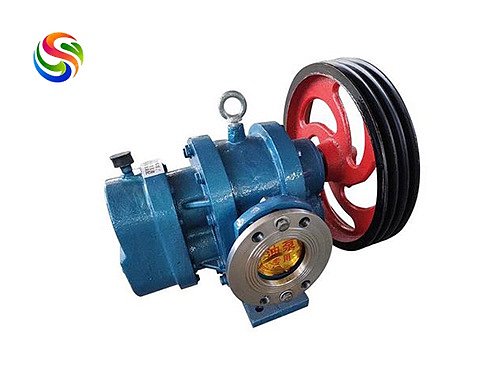
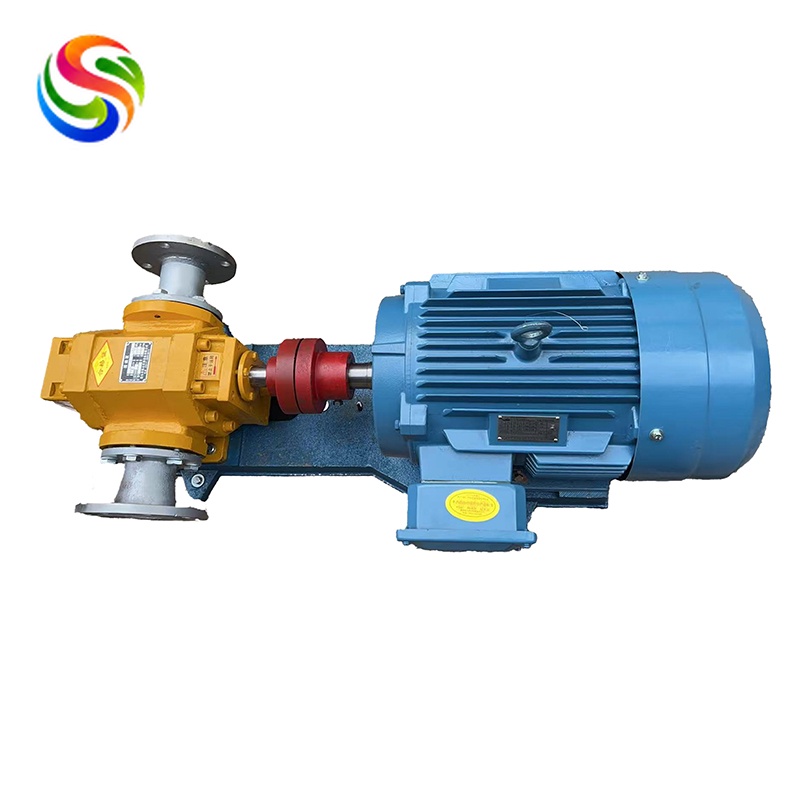
The reducer-driven Roots pump has the characteristics of low speed, small volume, large flow, low power consumption, self-priming, and easy use. It is suitable for transporting petroleum and petroleum products (copper rotors are required for gasoline) and transporting oils and liquids in factories, such as crude oil, paint, lubricating oil, glass glue, fatty acids, toothpaste and light alkaline liquids (soap processing); food processing can transport liquids, such as soybean paste, yeast and syrup, etc. It is easy to use for loading and unloading tank trucks and oil tankers.
Reducer driven Roots pump product features:
1. The Roots pump has a compact structure, few parts, easy maintenance and operation, and stable operation.
2. The relative sliding speed of the Roots pump rotor is very low, and the operation has less wear and tear, low noise and long service life.
3. The suction side of the Roots pump has a large area, the volume between the teeth changes slowly, the pressure pulsation is small, and the suction capacity is high, up to 5m high.
4. The flow rate of Roots pump is proportional to the rotation speed, and the flow rate can be automatically adjusted with the help of the speed regulator.
5. The Roots pump is equipped with an insulation jacket, which can be insulated by insulating steam or heat transfer oil. The insulation temperature can reach 350°C.
6. The processing of Roots pump has a volumetric efficiency greater than 85%.
Maintenance points of reducer driven Roots pump:
1. After reassembly, a trial run should be carried out. Generally, it must be run dry for 2 hours and the oil should be changed twice. Because a certain amount of volatile matter will remain in the Roots pump during cleaning, it must be put into normal operation after the operation is normal.
2. When the Roots oil pump is used in cold winter, after parking, it is necessary to unscrew the drain plug at the bottom of the pump body and drain out the medium. Prevent frost cracking.
3. Check the oil quality frequently. If the oil is found to have deteriorated, replace it with new oil in time. The Roots pump works normally.
4. Check whether the Roots oil pump pipeline and joints are loose. Turn the Roots pump by hand to see if the Roots pump is flexible.
5. Check the oil level frequently. If it does not meet the requirements, adjust it to make it meet the requirements. When the Roots pump is running, the oil level reaches the center of the oil level.
6. Under normal circumstances, the Roots oil pump should be inspected after 2000 hours of operation to check the aging degree of the rubber seal, check whether the exhaust valve plate is cracked, and clean the dirt deposited on the valve plate and exhaust valve seat. Clean the parts in the entire Roots pump cavity, such as rotors, vanes, springs, etc. Generally use gasoline to clean and dry. After cleaning the rubber parts, wipe them dry with a dry cloth. When cleaning and assembling, handle it gently and be careful not to get bruised.
7. Start the motor. When the Roots oil pump operates normally, open the outlet pressure gauge and the Roots pump. After they show appropriate pressure, gradually open the gate valve and check the motor load at the same time. During the operation of the Roots oil pump, the bearing temperature should not exceed the ambient temperature by 35 degrees, and the maximum temperature should not exceed 80 degrees. Try to control the flow rate and head of the Roots pump within the range indicated on the sign. Only by operating the Roots pump at the highest efficiency can you achieve the greatest energy-saving effect. When the Roots pump is to be stopped, first close the gate valve and pressure gauge, and then stop the motor.
8. The Roots oil pump should change the lubricating oil every 100 hours within one month of operation, and then change the oil every 500 hours. Regularly adjust the packing gland, and the leakage in the packing chamber is normal (it is better to leak out in small drops). Regularly check the wear of the shaft sleeve. If the wear becomes severe, replace it in time. If the Roots pump is out of service for a long time, it is necessary to disassemble the entire pump, dry the water, apply grease to the rotating parts and joints, and store them properly.
9. Add bearing lubricating oil into the bearing body. Observe that the oil level should be at the center line of the oil mark. The lubricating oil should be replaced or replenished in time.
10. The oil change period is determined by the user according to the actual usage conditions and whether it can meet the performance requirements. Generally, for new Roots pumps, when pumping clean and dry gas, it is recommended to change the oil once every 100 hours of operation. After the black metal powder is no longer visible in the oil, the oil change interval can be appropriately extended in the future.
Get Your Free Quote Now!
Related Products
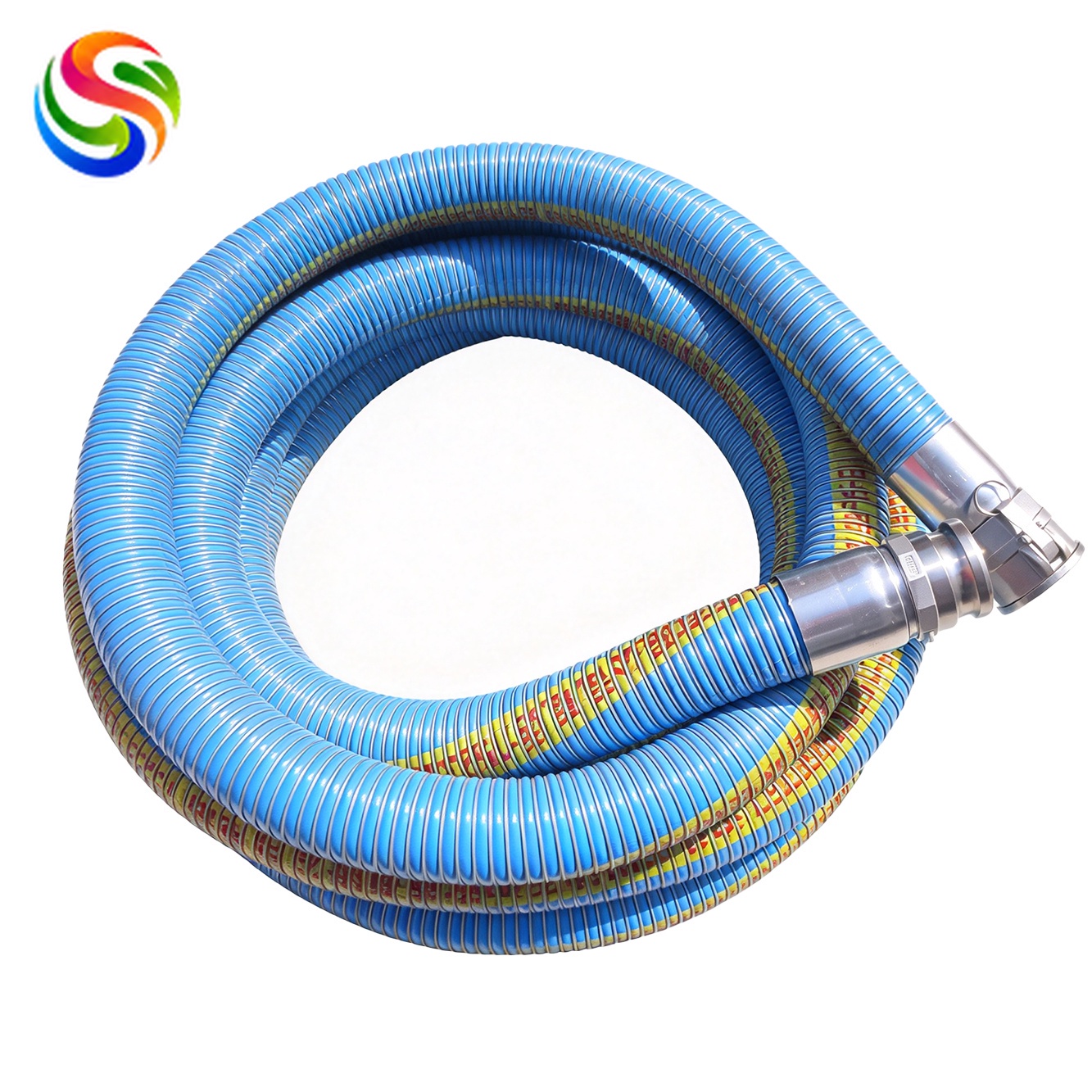
 Tank Truck Loading and Unloading Hose
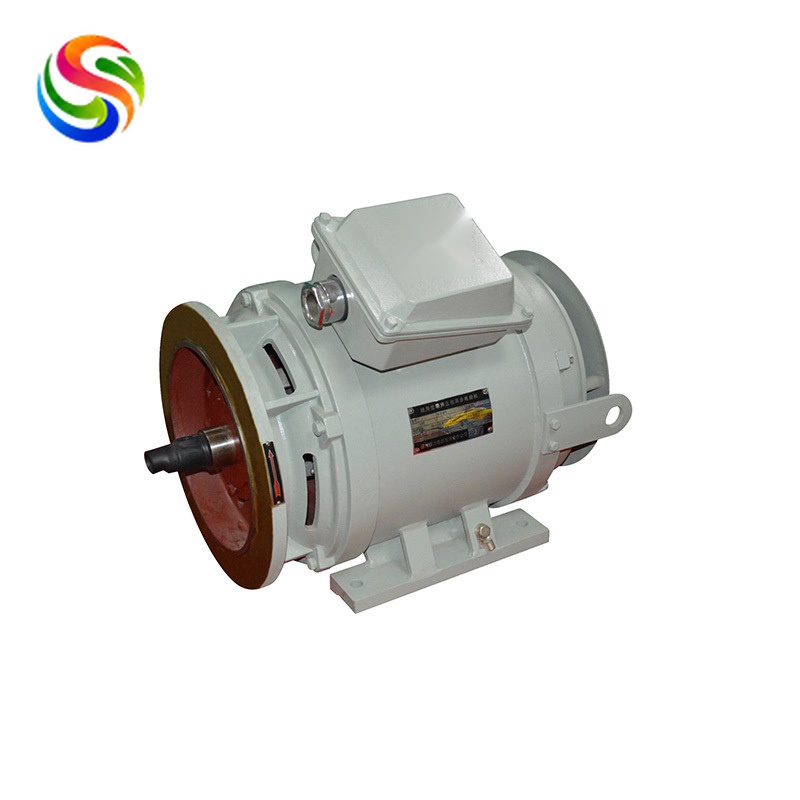
 JYZC Series Electric Motor
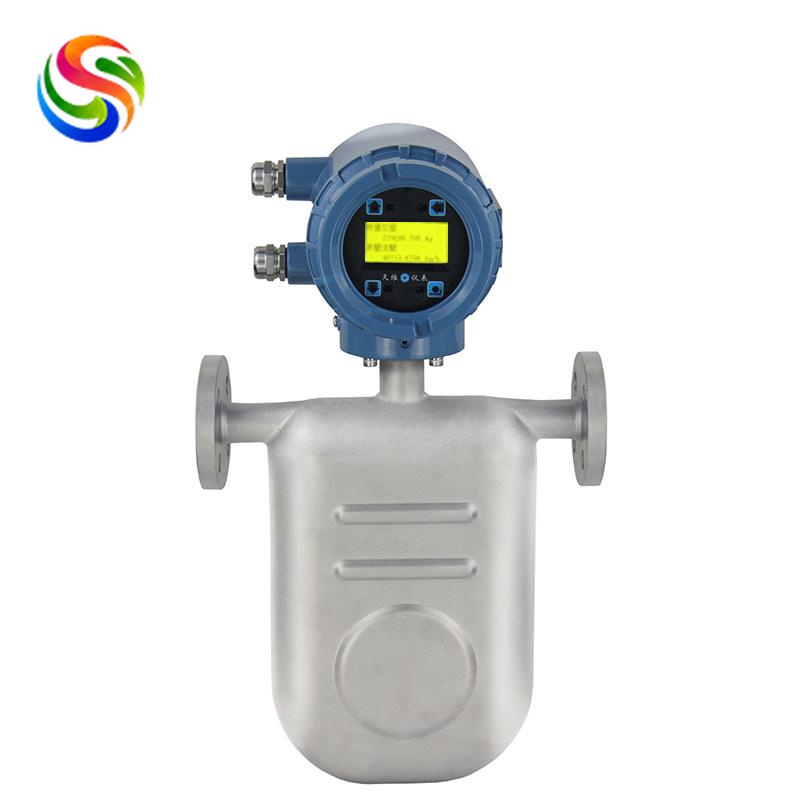
 DN15 Mass Flow Meter
 ZYB residual oil pump
 JY-H Series Electric Motor
 YBZa-H Series Electric Motor
 YBVF2-H Series Electric Motor
 YBT-H Series Electric Motor
 YBT-H Series Electric Motor
 YB3-H Series Electric Motor
 YB3-H Series Electric Motor
 YB3-H Series Electric Motor
 YB3 Series Electric Motor
 JBZ2-H Series Electric Motor
 YX3 Series Electric Motor
 YX3 Series Electric Motor
 YT Series Electric Motor
 YE3 Series Electric Motor
 YE4 Series Electric Motor
 YE4 Series Electric Motor
 HM3 Series Electric Motor
 YZ-H Series Electric Motor
 YZ-H Series Electric Motor
 YZ-H Series Electric Motor
 YZ-H Series Electric Motor
 YZ-H Series Electric Motor
 YZ-H Series Electric Motor
Please give us a message